Seen at the Reservoir
Waterbury Reservoir is teeming with diverse wildlife, including numerous species of animals and plants that inhabit the lake and its surroundings. Here is a glimpse of some of the life you might encounter while exploring the water and nearby areas.
Showing:
40

American Beech
Fagus grandifolia
Plant Life
The American Beech is a deciduous hardwood native to eastern North America, recognized for its smooth gray bark, broad crown, and golden fall foliage, while providing habitat and food for wildlife through its edible beechnuts.

Bald Eagle
Haliaeetus leucocephalus
Bird
The bald eagle is a bird of prey with a white head and tail contrasting with its dark brown body and wings. Its wingspan can reach up to an impressive seven feet. It's often seen soaring over Vermont’s lakes and forests, hunting for fish and small wildlife.

Beaver
Castor canadensis
Mammal
Beavers are semi-aquatic rodents that build dams, playing a vital role in supporting wetland ecosystems, creating habitats, enhancing water quality, and shaping local hydrology.

Black Bear
Ursus americanus
Mammal
Black Bears have black fur, a muscular build, and a slightly curved front claw. These bears are mostly shy and reclusive, feeding on berries, nuts, insects, and small mammals, and play an important role in Vermont's natural ecosystem.

Black-crowned Night-Heron
Nycticorax nycticorax
Bird
The Black-crowned Night-Heron is a bird with black crown and back, pale gray wings, and striking red eyes. It is primarily active at dusk and nighttime, hunting for fish, crustaceans, and small aquatic animals.
.jpg)
Brittle Naiad
Najas minor
Plant Life, Invasive Species
Brittle Naiad is an invasive aquatic plant in Waterbury Reservoir that threatens native ecosystems by outcompeting local vegetation, affecting water quality, and disrupting habitats for aquatic species, prompting concerns about its management and control.

Brook Trout
Salvelinus fontinalis
Fish
The Brook Trout is a freshwater fish with dark green to brown body and red and white spots, inhabiting cool, clear streams and lakes with rocky bottoms. Valued for its delicate flavor and ecological importance, it symbolizes pristine habitats.

Brown Bullhead
Ameiurus nebulosus
Fish
The Brown Bullhead is a small to medium-sized freshwater catfish with a stocky body, broad flat head, and dark brown or mottled coloration that helps it blend into muddy or rocky bottoms, and it has small barbels around its mouth for sensing food in murky waters.

Canada Goose
Branta canadensis
Bird
The Canada Goose is a large North American waterfowl known for its distinctive black head and neck, white cheek patches, and brown body. It is highly recognizable by its honking calls and V-shaped flight formation.
_edited.jpg)
Chain Pickerel
Esox niger
Fish
The Chain Pickerel is a medium-sized freshwater fish known for its elongated body and striking appearance. It has a green to yellowish-green coloration with a distinctive chain-like pattern of dark, wavy lines running across its body, which gives it its name.
.jpg)
Common Grackle
Quiscalus quiscula
Bird
Known for its iridescent black feathers that shimmer with hints of blue and purple. It has a long, keel-shaped tail, a strong, slightly curved bill, and bright yellow eyes. Its loud, chattering calls and striking appearance make it easily recognizable.

Common Loon
Gavia immer
Bird
The loon is a beautiful waterbird with distinctive black-and-white plumage, red eyes, and a haunting call, renowned for its excellent swimming and diving abilities; however, it cannot walk on land due to its long, webbed feet positioned far back on its body.

Eastern Bluebird
Sialia sialis
Bird
The Eastern Bluebird is a small songbird characterized by its vibrant blue upperparts and warm orange-brown chest and throat. It is known for its melodious song.

Eastern Chipmunk
Tamias striatus
Mammal
The chipmunk is a small, striped rodent with brown fur, facial stripes, and a bushy tail, known for storing food in cheek pouches and underground burrows, primarily feeding on seeds, fruits, and insects in various habitats.

Gray Squirrel
Sciurus carolinensis
Mammal
Gray Squirrel is a rodent with soft gray fur, a bushy tail, and a white underbelly. It is highly adaptable, feeding on nuts, seeds, fruits, and occasionally insects. Known for its agility and quick movements, the Gray Squirrel plays a vital role in seed dispersal and forest ecology.

Great Blue Heron
Ardea herodias
Bird
The Great Blue Heron is a tall, majestic bird with striking blue-gray plumage, a long neck, and a sharp, pointed beak. Often seen standing silently along shorelines, lakes, and marshes, it hunts for fish, amphibians, and small aquatic creatures with its keen eyesight.

Great Egret
Ardea alba
Bird
The Great Egret is a tall, elegant bird wih pure white plumage, long black legs, and a yellow-orange beak. It hunts for fish, amphibians, and small aquatic animals with slow, deliberate movements.

Great Horned Owl
Bubo virginianus
Bird
Great Horned Owl is a bird of prey with distinctive tufts or "horns" on its head, yellow eyes, and mottled brown and gray plumage that provides camouflage. It is a versatile hunter, feeding on mammals, birds, and insects, and is often heard hooting at night.

Green Heron
Butorides virescens
Bird
Green Heron is a small, stocky bird with dark greenish-black upperparts, a chestnut neck, and a distinctive yellow-green bill. It uses its sharp beak to catch fish and small aquatic prey, exhibiting patience and stealth while hunting.

Human
Homo sapiens
Mammal
People enjoy various recreational activities at the reservoir, including boating, fishing, swimming, and camping, making it a popular spot for outdoor fun and relaxation.

Lake Trout
Salvelinus namaycush
Fish
A large freshwater fish characterized by its elongated body and forked tail. It has a smooth, scaleless skin with a coloration that varies from gray to greenish or bluish, often featuring lighter, irregular spots or markings across its body.

Largemouth Bass
Micropterus salmoides
Fish
A popular freshwater fish recognized by its robust, elongated body and distinctive appearance. It has a broad, slightly flattened head with a large mouth that extends past its eyes, giving it its name.

Moose
Alces alces
Mammal
Moose are large, with a massive body, long legs, and an overhanging snout. Male moose, or bulls, are known for their impressive, antlers. They are typically dark brown and are often seen in wetlands, forests, and open areas, where they feed on aquatic plants, leaves, and twigs.

Northern Pike
Esox lucius
Fish
The Northern Pike is a large freshwater fish known for its elongated body and sharp, pointed snout. It has a distinctive appearance with a green to grayish-green coloration, often featuring lighter, irregular spots or markings along its sides.

Opossum
Opossum
Mammal
Opossum is a nocturnal marsupial known for its grayish fur, white face, and prehensile tail. It is an omnivore that scavenges for food, often playing dead as a defense mechanism, and is important for controlling insect and rodent populations.

Raccoon
Procyon lotor
Mammal
The raccoon is a highly adaptable mammal known for its distinctive black mask-like facial markings, bushy tail, and dexterous front paws. It is an omnivorous scavenger that thrives in forests, urban areas, and wetlands.

Rainbow Trout
Oncorhynchus mykiss
Fish
The Rainbow Trout is a vibrant freshwater fish with a pink stripe and speckled body, found in cold, oxygen-rich streams and lakes. Valued by anglers for its fightin spirit, the Rainbow Trout is also widely cultivated for sport fishing and culinary use.

Red Fox
Vulpes vulpes
Mammal
The Red Fox is a small, adaptable carnivorous mammal known for its reddish-orange fur, bushy tail, and keen hunting instincts. It is highly versatile, often inhabiting forests, grasslands, and urban areas, and primarily preys on small mammals, birds, and insects.

Red Pine
Pinus resinosa
Plant Life
Tall, slender coniferous tree characterized by its reddish-brown bark that develops deep, furrowed ridges as it matures. Its needle-like leaves grow in pairs and are typically bluish-green, providing a striking contrast against its bark.

River Otter
Lontra canadensis
Mammal
The otter is a semi-aquatic mammal known for its playful behavior and sleek, streamlined body covered in dense, waterproof fur. It inhabits lakes, rivers, and wetlands across the state, where it preys on fish, amphibians, and invertebrates.
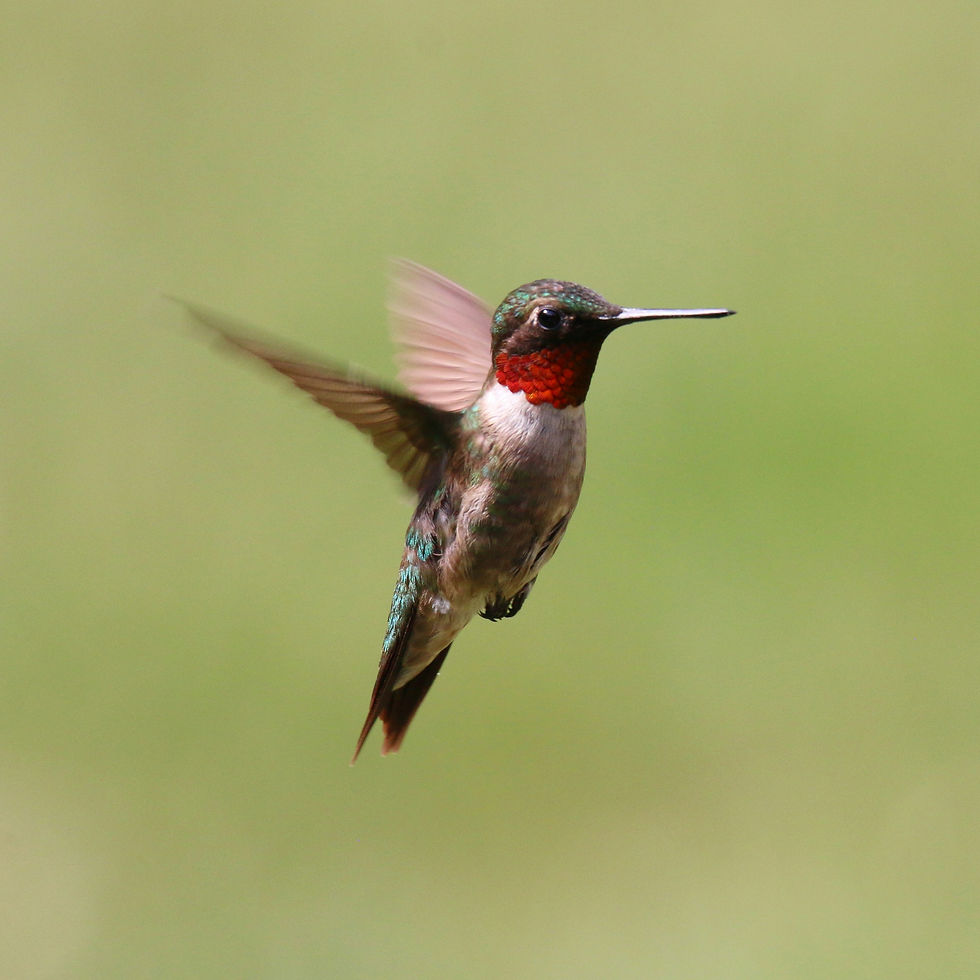
Ruby-Throated Hummingbird
Archilochus colubris
Bird
The Ruby-Throated Hummingbird is a small, iridescent bird known for its vibrant ruby-red throat patch in males, rapid wingbeats, and hovering flight. It feeds on nectar from flowers and feeders, playing a vital role in pollination.

Smallmouth Bass
Micropterus dolomieu
Fish
The Smallmouth Bass is a bronze-colored freshwater fish with black vertical stripes, known for its strength and popularity among anglers, inhabiting clear lakes and streams with rocky bottoms.

Snowshoe Hare
Lepus americanus
Mammal
The Snowshoe Hare is a furred mammal adapted for winter with large hind feet resembling snowshoes that help it move across snow-covered terrain. Its fur changes from brown in summer to pure white in winter, providing excellent camouflage.

Spotted Salamander
Ambystoma maculatum
Amphibian
Spotted Salamander is an amphibian with a dark, black or gray body adorned with bright yellow or orange spots along its back and tail. It typically inhabits deciduous forests and breeds in ponds and vernal pools during the spring.

Striped Skunk
Mephitis mephitis
Mammal
A Skunk is recognizable by its distinctive black fur with white stripes running from its head down its back. Known for its odoriferous spray, which it uses against predators, the skunk can spray accurately up to several meters when threatened.

Swallowtail Butterfly
Papilionidae
Invertebrate
The swallowtail butterfly is a vibrant insect with large, colorful wings that often feature tail-like extensions resembling a swallow’s tail. Typically displaying shades of yellow, black, and blue, these butterflies are known for their graceful flight and striking appearance.

Walleye
Sander vitreus
Fish
The walleye is a freshwater fish with a sleek, elongated body, sharp teeth, and large, reflective eyes that help it see in low light. It has a golden-yellow to olive-green coloration with a distinctive dark back and a white belly, making it a popular target for anglers in lakes and rivers.
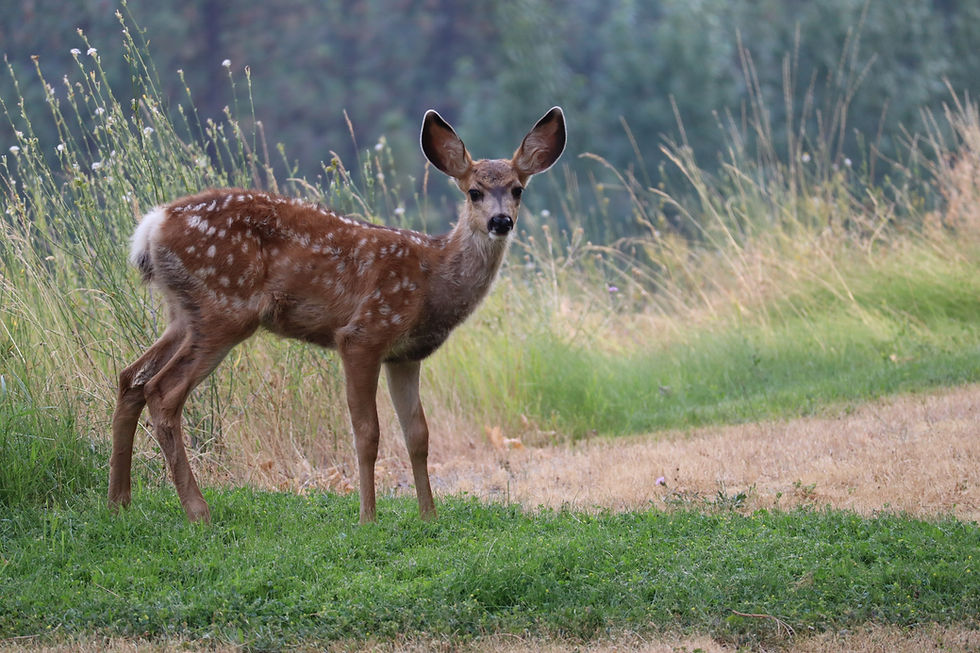
White-tailed Deer
Odocoileus virginianus
Mammal
A White-tailed Deer is a North American mammal known for its distinctive white underside of the tail, which it raises when alarmed. It is a medium-sized deer, typically weighing between 100 to 300 pounds, with a reddish-brown coat that becomes grayish in winter.

Wood Turtle
Glyptemys insculpta
Reptile
The Wood Turtle is a medium-sized turtle with a domed shell featuring a distinctive pattern of yellow and brown markings, and a long neck with a pointed snout. It inhabits streams, rivers, and wetlands where it feeds on plants, invertebrates, and small fish.

Yellow Perch
Perca flavescens
Fish
This freshwater fish is characterized by its vibrant yellow to golden-yellow body with dark vertical stripes running down its sides. It has a streamlined shape with a spiny dorsal fin and soft-rayed dorsal fin, and its body is typically covered with small, rough scales.